Cognition Method Gravity Puzzles
The core mechanic is not a jump boost. It is a new definition of down.
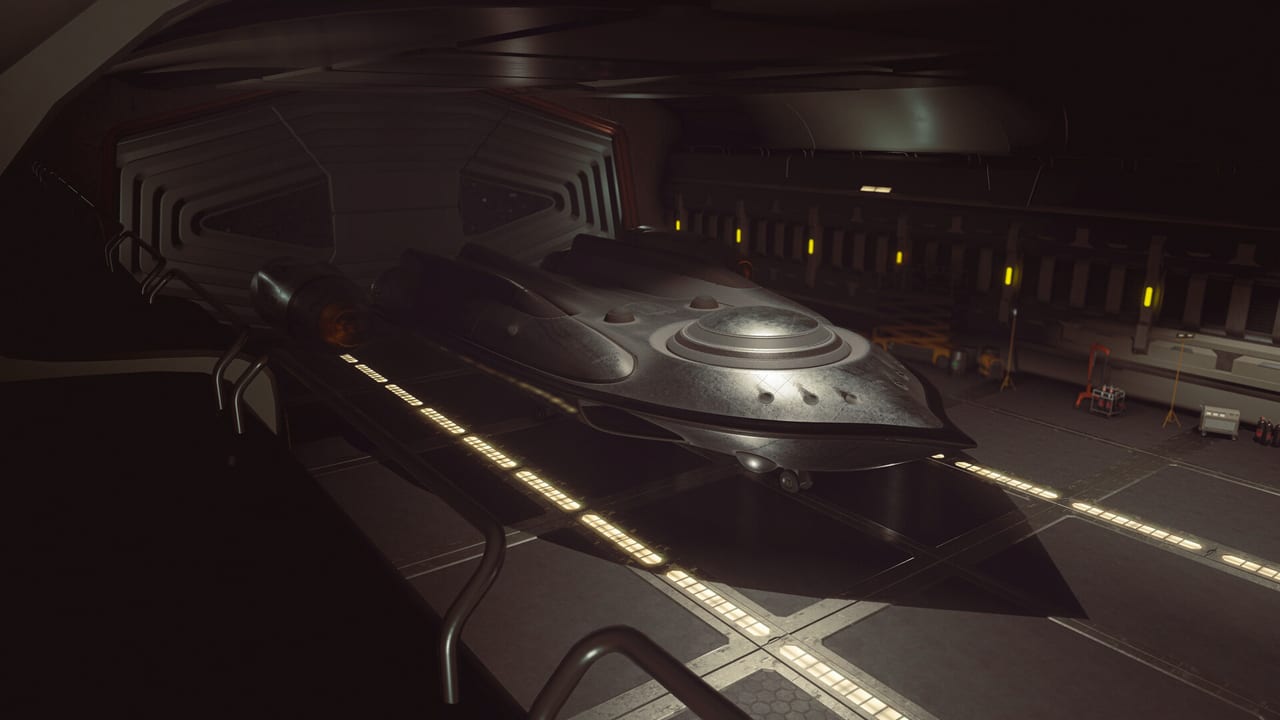
Every public sentence Team Cognition writes about Cognition Method returns to the same idea: look at the world from a different angle. Gravity is the tool that makes that sentence literal. This page is the mechanic deep-dive — how rooms teach the rule, how objects keep or lose a gravitational identity, and how to debug a trial without burning the mood. Pair it with controls so your hands are not fighting the camera while the architecture is trying to teach you.
What “altering gravity” means here
This is not a 2D flip-the-level arcade and it is not Portal’s orange/blue portals. In Cognition Method, a room is a sculpture you can stand on. Concrete faces, wells, and marked surfaces can become floors. A cube that was ballast a minute ago can become a step, a switch, or a thing you must throw away. Steam’s own feature list for Initiation says it plainly: altering gravity is the core mechanic, “allowing the player to bend the laws of physics.”
The 2024 Games Gathering preview described two layers that still match the 2026 store copy:
- Dream / Cube trials — logic rooms, cubes with properties, pressure plates, timing once extra faces become walkable.
- Station investigation — brighter, human, full of terminals and residue. Gravity is quieter here, but the later Artifact will not be.
If you only train on the station, the first well will feel like a bug. If you only train on wells, you will miss story props. Play both. The getting started page tells you which demo to install; this page tells you how to think once you are inside.
Reading a room before you touch it
Stand still. Ask four questions:
- Which faces are large enough to be floors? Ando-like concrete loves big planes. If a wall is as clean as the floor, it is a candidate.
- What object is the room ashamed of? A mirrored sphere, a cube with a symbol, a statue pointing, a circle of light. That is the verb.
- Where does light want you? Initiation literally tells you, at one point, to walk toward the light after interference. The game is allowed to be that direct.
- What would be “unnecessary”? One trial audio line tells you to discard the unnecessary to progress. The pit is not always death. Sometimes it is a bin.
Only then pick the cube up. Players who grab first teach the room nothing.
Wells, inversion, and timing
A gravitational well is a local rewrite of down. In Initiation, a voice even admits the expedition never solved the technology — then asks you to complete the test anyway. Crossing a well is usually: commit, walk, and do not fight the new floor with leftover jump habits.
Later demo language (“flip your reality upside down”) and preview notes about timing ledges mean some rooms mix logic with a small parkour beat: you change gravity, then you have a second of alignment to land on a plate or avoid a drop. That is why look sensitivity on settings matters. A frantic flick that works in a shooter will throw you off a newly defined floor.
The 4K public-demo capture in the middle of this article is useful as a motion study. Watch how slowly good players reorient. Then close it and try the room yourself. The demo walkthrough is the text version of those trials in order.
Cubes, plates, and properties
Cubes are not generic crates. Preview write-ups describe cubes with different properties that must reach plates to open the next chamber. Practical rules that hold across Initiation footage and achievement lists:
- Pressure plates want weight, position, or a specific object — not “any debris.”
- Pits can be fail states, secret achievements, or the intended discard. Initiation’s “ballast” achievement is literally throwing a cube into a pit. “Immortal” is throwing yourself. Neither is the solution to every hole.
- Spheres may need a path (the “goal” achievement rolls a mirrored sphere up stairs) rather than a plate.
- Keys are often off-axis. If a stair room feels finished, look for a face you have not walked.
When a cube “keeps” a gravity, treat that as a feature: you can charge it on a marked surface and carry the new down into a region that does not have one. When it does not keep gravity, you are meant to be the one who changes, not the toy.
Debugging a stuck room
Use this order before you open a video:
- Change your floor, not the object.
- Put the object down and walk a full loop of every walkable face.
- Re-read terminals and Tab objectives (public demo).
- Ask whether the obvious tool is bait — “the easy choice isn’t always the right one” is an Initiation line for a reason.
- Only then open the demo walkthrough or the first-hour official video on getting started.
Do not crowd-source a live-service “meta.” There is no tier list of cubes. There is a room that was designed as a piece of architecture, as the studio said when announcing the date: each puzzle as a memorable art piece, distorted from real buildings.
How gravity serves the story
The Artifact is not a gym. Changing down is how the game argues that human perception is a local habit. Solaris and 2001 are not cosmetic name-drops; they are the permission slip for rooms that feel hostile and intentional at once. If a well makes you feel sick, that may be the point — but you can still lower camera speed. If a well makes you feel like the station logs were lying, keep reading. Story and lore tracks what the 2026 page confirms without turning every cube into a metaphor essay.
When you can stand on a wall without thinking, you are ready for secrets. Secrets is next if you care about keys and one-try clears. If you would rather photograph the well than solve it, photo mode will let you freeze the sun on the concrete.
Frequently Asked Questions
Quick answers to the most common questions.
Is gravity a gun or a held tool?
In the playable material, gravity is environmental: wells, walkable faces, and object properties. Check the in-game prompt rather than copying another physics game’s gadget.
Why do I keep falling into pits?
Some pits are jokes or achievements. Most are a new down you have not accepted yet. Read secrets so you do not confuse the two.
Should I watch a video first?
Try the room, then the demo walkthrough. The 4K demo video on this page is for pacing, not for skipping the test.